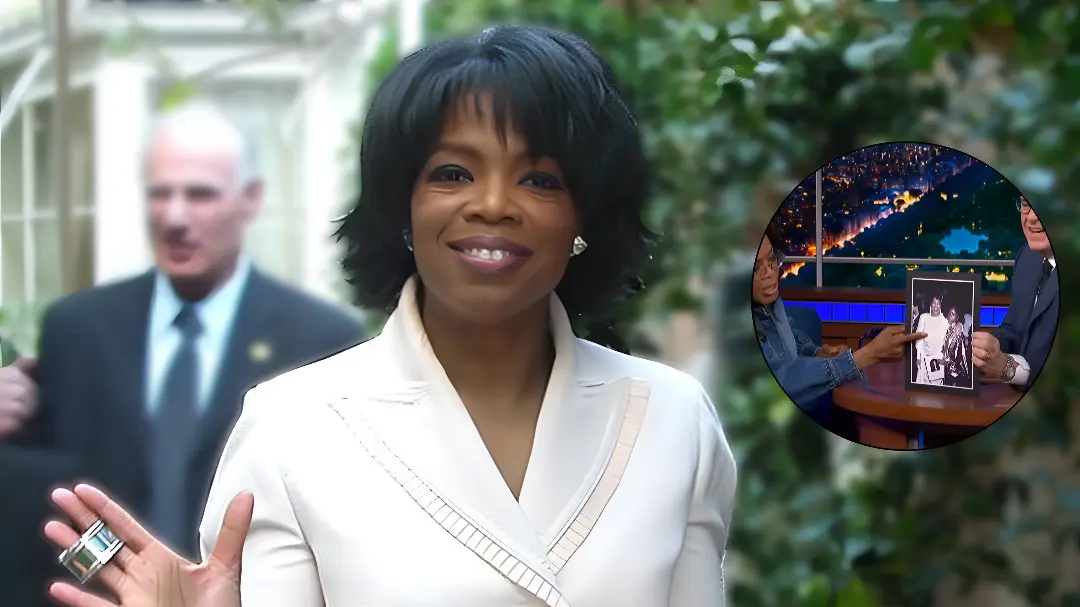
This Michael movie review covers one of the most anticipated biopics in recent Hollywood history. Can a single film truly capture the lightning-in-a-bottle talent of Michael Jackson? Director Antoine Fuqua takes on that near-impossible challenge, and the result is far more emotionally powerful than anyone had a right to expect.
The film does not attempt to tell the complete story of Michael Jackson’s life. It is selective, carefully curated, and at times frustratingly incomplete. But within the boundaries it sets for itself, it delivers something genuinely moving and frequently spectacular.
What Is the Film About?
Written by John Logan and produced by John Branca, Graham King, and John Mackay, the film traces Michael Jackson’s journey from the suffocating discipline of his early Motown years through the peak of his global dominance during the Bad World Tour in 1988. The narrative deliberately stops there, and that decision has become the most debated creative choice surrounding the entire project.
This Michael movie review makes clear it is not a warts-and-all biography. It is a portrait of a genius shaped by extraordinary pressure, childhood trauma, and an entertainment industry that simultaneously elevated and consumed him. Fuqua frames Jackson not as an untouchable myth but as a deeply human being caught inside one.
Read More: Patrick Muldoon’s Death: The Heartbreaking Loss of a 90s Television Icon
Jaafar Jackson: The Performance That Carries Everything
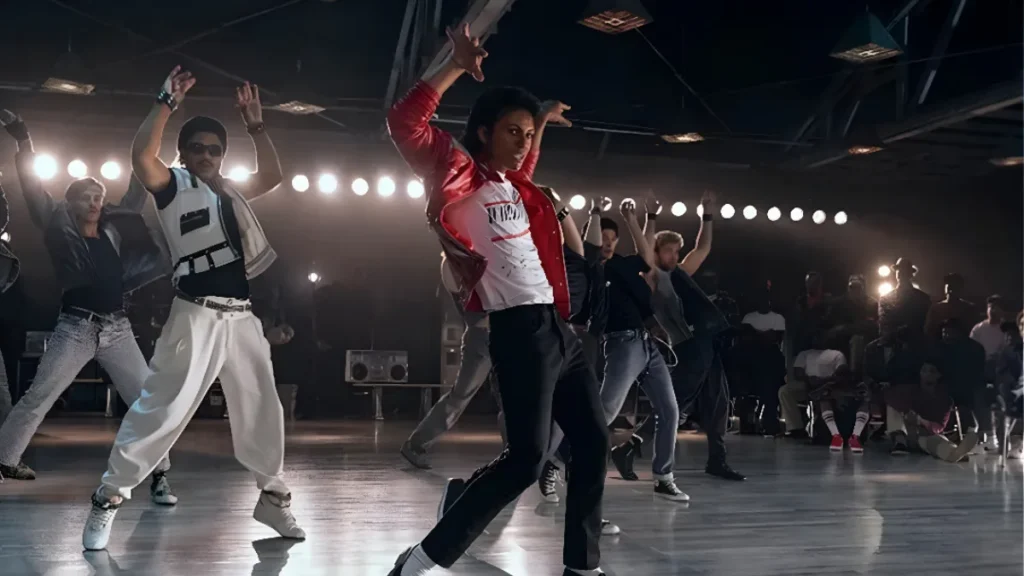
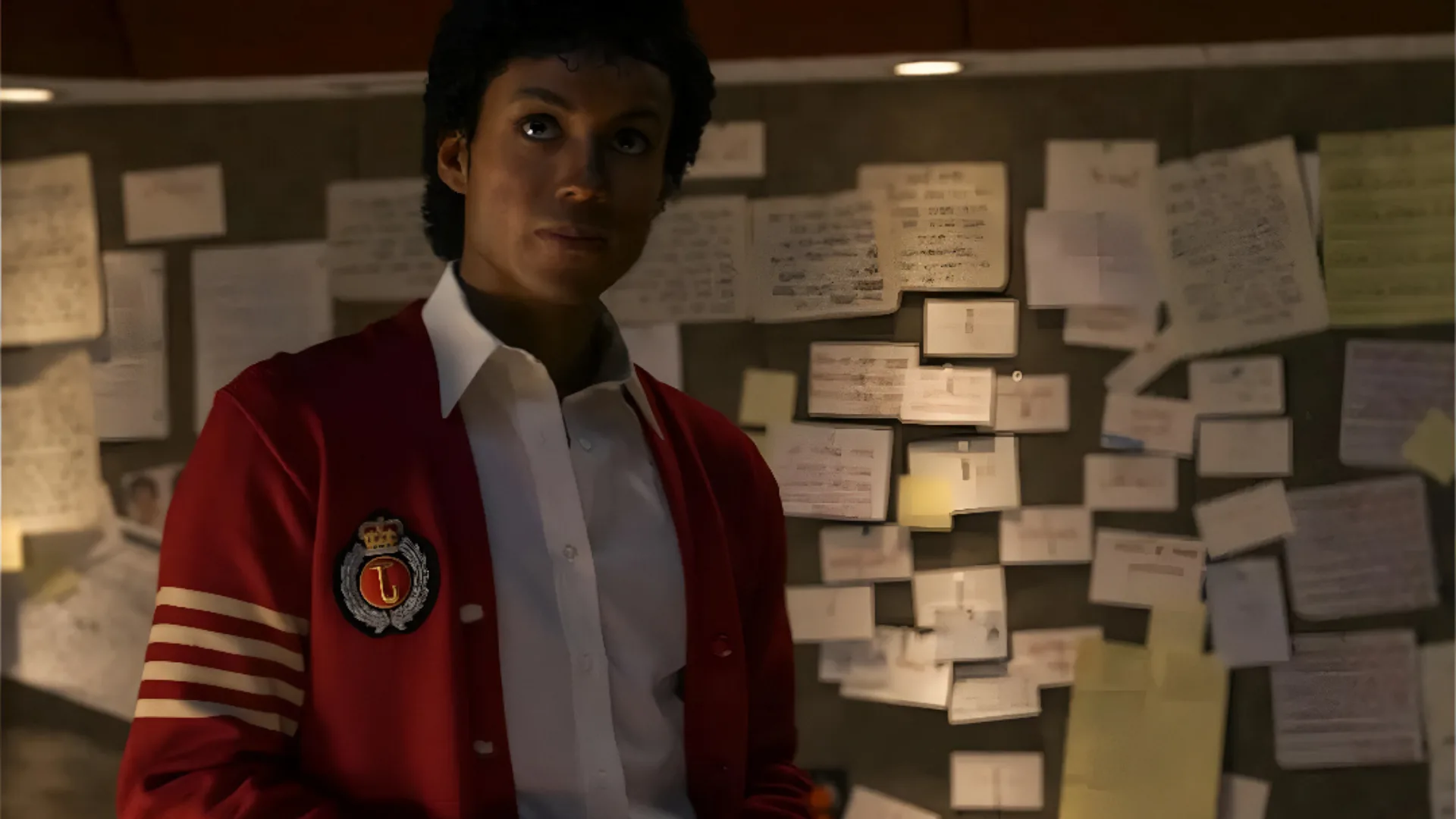
Image courtesy of Lionsgate / Photo by Glen Wilson. Used for editorial commentary.
The central performance this Michael movie review keeps returning to is Jaafar Jackson’s, and he delivers in ways that will genuinely surprise even the most sceptical viewer. As Michael’s real-life nephew, the physical resemblance is immediately obvious. What is not obvious, and what Jaafar earns entirely on his own terms, is the emotional intelligence he brings to the film’s quieter and more vulnerable scenes.
The Moonwalk, the spin, and the iconic toe stand are all executed with stunning physical precision. But the moments that stay with you long after the credits roll are the smaller ones. A brief hesitation before answering a journalist’s question. The way exhaustion settles into his eyes after a particularly brutal rehearsal sequence. The involuntary flinch when his father enters a room. These details are what separate a strong physical performance from genuine embodiment.
The blending of original Michael Jackson vocal tracks with Jaafar’s own voice is handled with seamless technical skill. You stop questioning it within the first ten minutes, which is precisely what needed to happen for the film to work.
Joe Jackson and the Price of Perfection
Colman Domingo plays Joe Jackson with an intensity that makes every scene he appears in deeply uncomfortable. That discomfort is the point. He portrays a man who genuinely believed that relentless pressure and harsh discipline were the only paths to greatness, without ever softening that belief into something the audience can easily forgive or dismiss.
The rehearsal sequences from Michael’s childhood are among the most impactful scenes in the entire film. Fuqua does not dramatise the abuse for shock value. He presents it with cold, unflinching clarity, letting the audience sit inside the discomfort rather than processing it through conventional dramatic beats. It is a brave directorial choice and it pays off completely.
Nia Long brings necessary warmth and quiet authority as Katherine Jackson, offering an emotional counterbalance that prevents the family dynamic from collapsing into one-dimensional darkness. Her scenes with Jaafar carry a tenderness the film earns rather than assumes.
A Visual Tribute to Pop History
One thing this Michael movie review cannot overstate is the cinematography. Dion Beebe shoots the performance sequences with kinetic and almost overwhelming energy. Each era of Jackson’s career, from Off the Wall through Thriller and into the Bad World Tour, is recreated with obsessive attention to period detail. The staging, lighting, and choreography by Rich and Tone Talauega combine to create concert sequences that feel simultaneously nostalgic and immediate.
The recreation of the 1984 Pepsi commercial accident is handled with particular directorial care. Fuqua does not exploit the moment for dramatic spectacle. Instead he treats it as a quiet and devastating turning point, a scene where the physical and emotional toll of Jackson’s extraordinary life becomes impossible for both the character and the audience to ignore any further.
One of the most fascinating behind-the-scenes facts about this production is that John Branca, Jackson’s real-life attorney and one of the film’s actual producers, is portrayed on screen by Miles Teller. That unusual overlap between real history and dramatised narrative gives the film a layer of authenticity that most biopics simply cannot manufacture.
How the Film Handles the Controversies
Any honest Michael movie review has to address this directly and without evasion. The film ends its timeline in 1988, before the allegations that defined and severely damaged Jackson’s later public life. This decision has divided critical opinion sharply and is unlikely to satisfy everyone.
Some argue it represents deliberate avoidance, particularly given the serious questions raised by the Leaving Neverland documentary. Others read it as a focused narrative choice that allows the story to honour Jackson’s artistic peak without becoming a legal drama or a moral referendum. The honest critical assessment is that it is probably both things simultaneously.
The Jackson estate’s involvement in the production, including access to irreplaceable archival footage and music rights through Prince Jackson, inevitably shaped the narrative’s boundaries. That is a legitimate criticism and this Michael movie review does not shy away from it. For a broader critical perspective on this debate, The Hollywood Reporter’s coverage provides valuable and detailed context.
What the film does well is acknowledge the underlying tension without pretending it does not exist. The closing title card hinting at a possible sequel reads less like a triumphant conclusion and more like an honest admission that this particular story remains unfinished.
The Supporting Cast
Miles Teller brings quiet authority and genuine credibility to John Branca. His scenes ground the film’s more spectacular musical moments in commercial and legal reality, reminding the audience that behind every iconic performance was a complex and often brutal industry negotiation happening simultaneously.
Mike Myers is a genuine scene-stealer as Walter Yetnikoff, capturing the chaotic and combustible energy of the early MTV era with sharp comedic precision. His scenes illustrate the industry resistance Jackson faced in getting Billie Jean onto mainstream radio and television, adding important texture to the film’s portrait of the systemic barriers that Black artists routinely faced during that period.
The notable absences of Janet Jackson, Quincy Jones, and Berry Gordy from the narrative do leave gaps that a more comprehensive biography would have filled. Their absence is felt most acutely in the film’s treatment of the creative process behind Thriller, which feels slightly underwritten and rushed as a direct result.
This Michael movie review recommends checking how similar biopics handle the tension between artistic legacy and uncomfortable truth, our review of Bohemian Rhapsody explores many of the same strengths and limitations in detail.
Production Quality
From a production standpoint this Michael movie review notes that Graham King, John Branca, and John Mackay bring considerable experience and genuine credibility to this project. King’s track record with Bohemian Rhapsody is evident in the technical polish visible on screen throughout. Branca’s real-world history as Jackson’s attorney adds a layer of production authenticity that no amount of research alone could replicate.
The sound design is exceptional from beginning to end, immersing the audience inside music that most of them will have known their entire lives in a way that still manages to feel genuinely fresh and immediate. The production design across multiple distinct decades is meticulous without ever tipping into museum exhibition territory.
Choreographers Rich and Tone Talauega deserve specific recognition. Recreating Jackson’s movement vocabulary without resorting to imitation is an enormous challenge, and they meet it with impressive consistency across every performance sequence in the film.
Read More: Lee Cronin’s The Mummy Review: A Terrifying and Masterful Modern Nightmare
Is It Worth Watching?
For long-time Michael Jackson fans, this film is an essential cinematic experience. It captures the magic and the pain of his peak years with a vividness and emotional intelligence that very few music biopics ever achieve. For more critical audiences seeking a complete and genuinely unfiltered portrait, it will feel incomplete by design and that feeling is entirely justified.
This Michael movie review respects both reactions as they reflect something true about what the film is and what it consciously chose not to be.
Our Take: The Definitive Michael Movie Verdict
Antoine Fuqua‘s Michael is a flawed, frequently spectacular, and genuinely moving tribute to one of the most complex and gifted figures in the entire history of popular entertainment. Jaafar Jackson’s performance alone makes it worth your time and your full attention. The film’s selective storytelling is a real and meaningful limitation, but within those self-imposed limits it achieves something rare for the biopic genre: it makes you feel the actual weight of the life it is portraying rather than simply illustrating its greatest hits.
This Michael movie review recommends it strongly, with one honest caveat. A sequel willing to engage with the darker and more contested chapters of Jackson’s life would transform this into a complete and definitive portrait. As it stands, it is a brilliant and emotionally generous first half of a story that deserves its full telling.
★★★★☆ 4 out of 5
Quick Facts
Director: Antoine Fuqua
Screenplay: John Logan
Producers: John Branca, Graham King, John Mackay
Lead Performance: Jaafar Jackson
Cinematography: Dion Beebe
Choreography: Rich and Tone Talauega
Runtime: 2 hours 7 minutes
Release Date: April 24, 2026
Rating: PG-13
Is it worth watching?
Yes, particularly for fans of ambitious and emotionally intelligent music biopics.
Sources:
Media Credits: Featured Image Composite by Clip Cinema Hub. Image courtesy of Lionsgate/ Photo by Glen Wilson. used for editorial commentary and news reporting.
Primary Reporting: MJWorld (Antoine Fuqua on the Creative Process of Michael), TV Guide (Screenwriter John Logan: Career Credits & Production History).
Official Source: MichaelJackson.com (The Official Michael Jackson Estate Online Presence).